Cool-looking cafe bar just north of the heart of Athens. I had a Greek coffee there and it was pretty good. The place is a bit worn out but has good vibes to it. I like the name too.
Overview
Walking down Themistokleous Street in Exarchia, you can’t miss Bluehaus. It sits confidently at Themistokleous 80, Athina 106 81, Greece, blending into the neighborhood while somehow standing apart at the same time. I first stopped in after a long afternoon of walking the city, the kind of day where you want food that feels thoughtful but not fussy. That balance, it turns out, is exactly what this place does best.
The menu reads like it was written by someone who actually cooks at home and understands what people want to eat when they’re hungry, not just impressed. Breakfast and brunch are clearly a strong suit, with eggs cooked properly, bread that’s fresh and fragrant, and coffee that holds its own in a city famous for taking coffee seriously. According to data from the Hellenic Statistical Authority, more than 60% of Athenians eat out at least once a week, and spots like this explain why. You get comfort, quality, and consistency without feeling rushed or overcharged.
One thing that stood out during my visits was the kitchen rhythm. You can tell there’s a system in place. Orders come out steady, plates look intentional, and nothing feels thrown together. A friend of mine who works in food service pointed out that this usually means solid prep work and a well-trained team, which aligns with what culinary institutes like Le Cordon Bleu emphasize about repeatable quality: good mise en place and clear processes. It sounds technical, but what it means for diners is simple-your meal tastes the way it should every time.
The crowd is a mix of locals, students, freelancers with laptops, and travelers who clearly found the place through reviews rather than accident. Online feedback consistently mentions friendly service and reliable dishes, and that matches my experience. On one visit, I overheard a regular asking for their usual, which says more than any rating ever could. People don’t come back to restaurants that disappoint them.
Lunch leans into modern diner territory, with sandwiches, salads, and heartier plates that work equally well for a quick bite or a long conversation. The ingredients feel seasonal, and while the menu isn’t huge, it’s focused. That’s often a good sign. Research published by the National Restaurant Association shows that shorter menus often correlate with higher customer satisfaction, mostly because kitchens can execute better when they’re not stretched thin.
Dinner has a relaxed, social energy. Lighting softens, music settles into the background, and the space invites you to stay longer than planned. I once came in just for a drink and ended up ordering food after seeing a neighboring table’s plates arrive. That kind of spontaneous decision usually means the visuals and aromas are doing their job.
Location-wise, being in Exarchia gives the restaurant a certain edge. It’s central but not touristy in a forced way. You’re close to bookstores, galleries, and late-night bars, which makes it an easy stop before or after other plans. Reviews often highlight this convenience, especially from visitors who want something authentic without wandering too far off the map.
No place is perfect, and it’s fair to say that during peak hours, especially weekends, seating can be tight. If you’re in a hurry, waiting might test your patience. Still, that’s more a sign of popularity than poor planning, and going slightly off-peak usually solves the problem.
What keeps people coming back is the feeling that the restaurant knows exactly what it is. It’s not trying to be a fine-dining temple or a fast-food shortcut. It’s a well-run diner-style spot that respects ingredients, understands its audience, and delivers food that fits the moment. In a city overflowing with options, that kind of clarity is surprisingly rare.
Good to know
Service options
✓ Outdoor seating ✓ Delivery ✓ Takeaway ✓ Dine-inHighlights
✓ Great beer selection ✓ Great coffee ✓ Great dessert ✓ Great tea selectionPopular for
✓ Breakfast ✓ Solo dining ✓ Good for working on laptopAccessibility
✓ Wheelchair-accessible car parkOfferings
✓ Alcohol ✓ Beer ✓ Cocktails ✓ Coffee ✓ Quick bite ✓ Spirits ✓ WineDining options
✓ Breakfast ✓ Brunch ✓ Lunch ✓ Dinner ✓ Catering ✓ Dessert ✓ Seating ✓ Table serviceAmenities
✓ Bar on site ✓ ToiletAtmosphere
✓ Casual ✓ Cosy ✓ TrendyCrowd
✓ Groups ✓ Tourists ✓ University studentsPlanning
✓ Accepts reservationsPayments
✓ Credit cards ✓ Debit cards ✓ NFC mobile paymentsChildren
✓ Good for kids ✓ High chairsPets
✓ Dogs allowedPhotos
1 / 4
Location
Reviews
- No ratings yet 646 reviews
I eat there and also study there during exam sessions. The place is really good and comfy and the food really good! The owner and the personal of the place are really kind and always there in case of need.
Nice café in the heart of Exarchia with a really nice outside seating area. On my many walkabouts in the area, especially on a sunny day like today, I really enjoy relaxing there and always enjoy their fresh lemonade that is . Their fresh orange juice is also good & their service really friendly. I haven't tried their coffee yet but I'm sure I will soon!
Coffee shop staff were accommodating, despite the short delay for our order on that busy night. Pleasant atmosphere, seating not the comfiest, conveniently located minutes from the bus station.
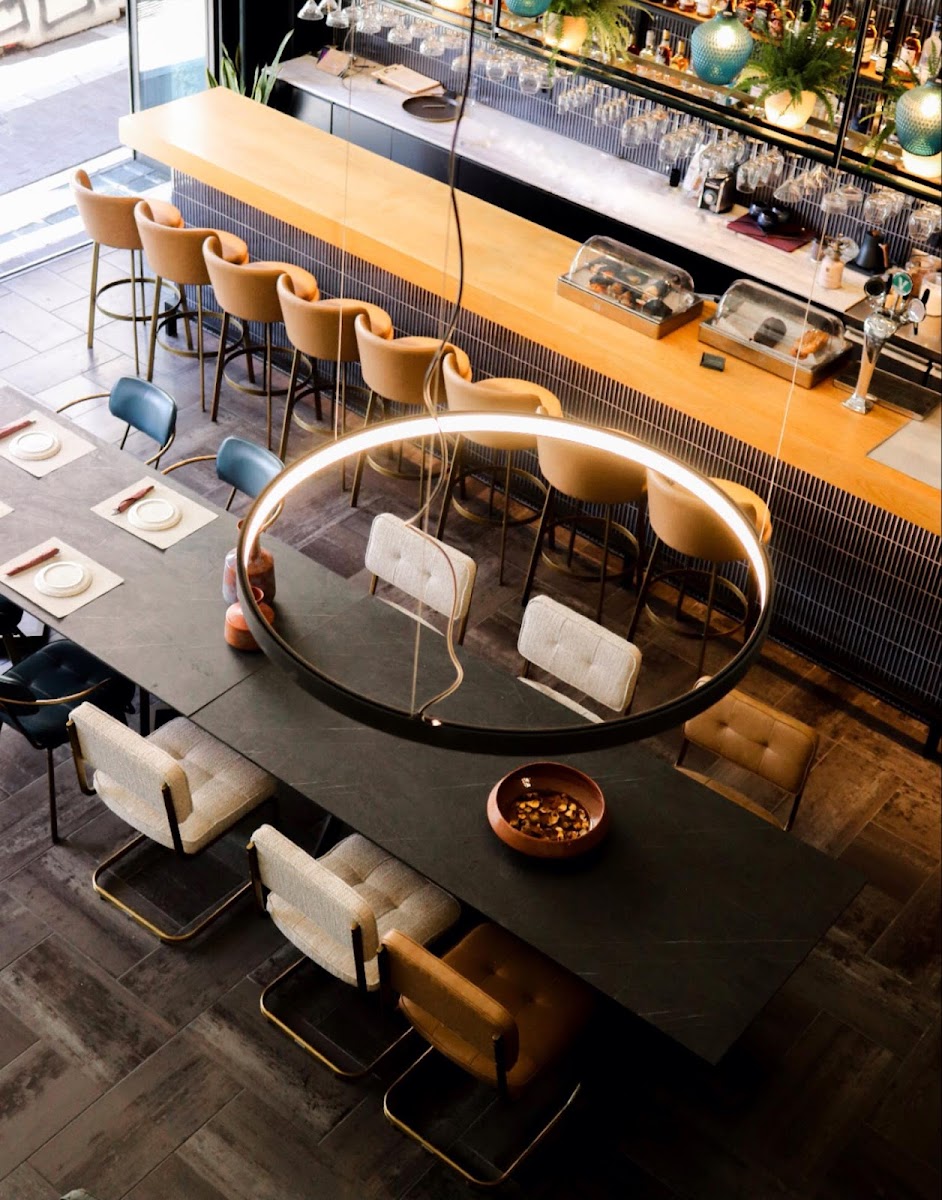
The coffee shop caught my attention with its aesthetic. The decor is unique enough to intrigue but not obnoxiously so. It has two floors both which are adorned with wooden tables and cushioned chairs. It has a high ceiling from which beautiful blue light fixtures are hanging. There's also a bar, behind which, the walls are decorated with colourful liquor bottles. The service was amazing. The staff was friendly and polite. I would undoubtedly recommend visiting.
Nice place to enjoy a coffee/cocktail and an affordable meal. The vibe is great and the wifi works well. Great location for digital nomads.
Spent a wonderful week in Athens and this bar was the highlight, well worth a visit for the fantastic staff and I recommend any of their cocktails!
Great place, really friendly service. Prices were fantastic for the quality of food. Great place for a coffee, beer, cocktail and light food. I would highly recommend the omelette and club sandwich.